The workplace has become harder to plan.
A role that looked pretty stable like a year ago might now include AI tools, a bunch of different skills, a more distributed team, plus responsibilities that, honestly, didn’t exist when the job description was written. Business priorities can flip around just as quickly, but HR still runs processes that are kind of built for annual reviews, fixed career paths, and those long approval cycles.
That creates a problem. The business moves, but the people system often takes time to catch up.
Deloitte’s 2026 Human Capital Trends research found that 85% say it is critical to build the organization’s and workforce’s ability to adapt at the speed required today.
Agile HR practices address this gap. They give HR a way to respond faster without turning every workforce decision into a fire drill. This article looks at what Agile HR means, why it matters now and how HR teams can make the shift in practical terms.
What is Agile HR and How It Evolved from Administrative to Adaptive
Agile HR is an approach to human resources that helps teams respond to changing business and employee needs through continuous feedback, collaboration, shorter planning cycles and faster decision-making.
Its roots come from Agile software development. The original thinking was fairly practical. Break large pieces of work into smaller cycles, get feedback early, learn from what happened and adjust instead of waiting until the end.
HR can apply the same logic.
Think about performance management. Why wait until the end of the year to discuss a problem that became obvious in March? Or consider recruitment. Why keep using the same job description when the work itself has changed?
Agile HR practices do not mean throwing structure away. Good HR still needs policies, governance and consistency. The change is in how those systems operate.
Instead of treating the HR process as fixed, teams keep improving it based on what employees, managers and the business actually need.
Why 2026 Demands a New Approach to Human Resources
AI is probably the loudest force changing work right now, but it is not the only one. Teams end up spread across countries and time zones, like, at the same time. Skills are also shifting and moving around. Employees want clearer growth paths and more flexibility in how they work day to day. At the same time, companies feel pressure to adjust, but without endlessly rebuilding their workforce from scratch, again and again.
The World Economic Forum points to skills mismatches rather than an overall talent shortage as the key workforce problem. It also flags agile talent models, and internal movement, as important for building resilient workforces that stay ready for what comes next.
So, that kind of shifts the conversation for HR leaders. ‘Enough people on the payroll’ is not the same thing as having the right capabilities for the business. A company can have very skilled people, and still run into trouble, because those skills end up in the wrong squads, stay hidden, or simply no longer line up with the work being done.
AI is adding another layer to this problem. Microsoft found that 66% of AI users said AI allows them to spend more time on high-value work.
The implication is easy to miss. AI does not have to remove an entire job to change it. It can alter the tasks inside that job, which then changes the skills people need and the way managers should measure performance.
HR has to keep pace with that movement.
Core Principles of an Agile HR Framework
People and Employee Experience Over Rigid Processes
HR processes have a habit of becoming permanent.
A form gets added. Then an approval. Then another review. Five years later, employees are still following the same process, even though nobody can clearly explain why half the steps exist.
Agile HR practices question that habit.
The starting point should be the employee experience. Where are people getting stuck? Which policies create unnecessary friction? What do managers keep complaining about? Which parts of the process genuinely protect the employee or the organization?
The answer will not always be ‘remove the process.’ Sometimes the process is necessary. The important thing is knowing the difference between useful structure and bureaucracy that has simply survived.
Rapid Responsiveness Over Following a Static Plan

HR still needs plans. Workforce planning, succession planning and annual budgets are not disappearing.
What changes is the expectation that those plans will remain untouched.
An agile team treats a plan as a direction, not a prediction carved into stone. If business priorities change, hiring priorities may need to change too. If a skill suddenly becomes important, the learning agenda may need to move with it.
That requires HR teams to review decisions more often and become comfortable changing course when the evidence says they should.
Collaborative, Cross-Functional Problem Solving
People problems rarely stay inside the HR department.
A slow hiring process may involve finance. A poor onboarding experience may involve IT. A skills gap may have more to do with how work is organized than with recruitment.
That is why Agile HR works best when HR brings other functions into the problem early.
Instead of passing an issue from one department to another, a cross-functional group can look at the problem together, test a solution and see whether it actually improves the experience. It is less tidy than a traditional handoff. It is usually more useful.
Also Read: Future of Employee Benefits in 2026: How Personalized Offerings Are Redefining the Total Rewards Strategy
Top Agile HR Practices to Implement for a Future-Ready Workforce
Iterative Performance Management
The annual review has survived for a long time because it is easy to schedule. That does not necessarily make it effective.
A lot can change between two performance conversations. Goals move. Teams change. Priorities get dropped. New responsibilities appear. By the time the formal review arrives, some feedback is no longer useful.
Agile performance management shortens that gap.
Managers can use every day one-to-one meetings to talk about progress, trouble spots and shifting priorities. It’s possible to revisit goals when the work changes, not just at ‘the right’ time. Feedback can also show up while the employee still has time to actually do something with it, rather than later.
The key thing here is not if a company goes with weekly, biweekly, or monthly check ins. There’s no magic calendar, nothing like that. Real improvement shows up when feedback becomes part of normal work, sort of a steady rhythm, instead of being treated as an annual milestone.
This approach also makes performance discussions feel less heavy. People don’t have to wait months to realize something is not landing properly. And managers don’t need to put together a whole case file before they can have a frank conversation.
Agile Talent Acquisition and Internal Mobility
There is a growing problem with hiring against rigid job descriptions. The description can become outdated before the recruitment process even finishes.
LinkedIn reported that jobs requiring AI literacy skills grew 70% year over year in the United States.
That is a strong reason to look at skills differently.
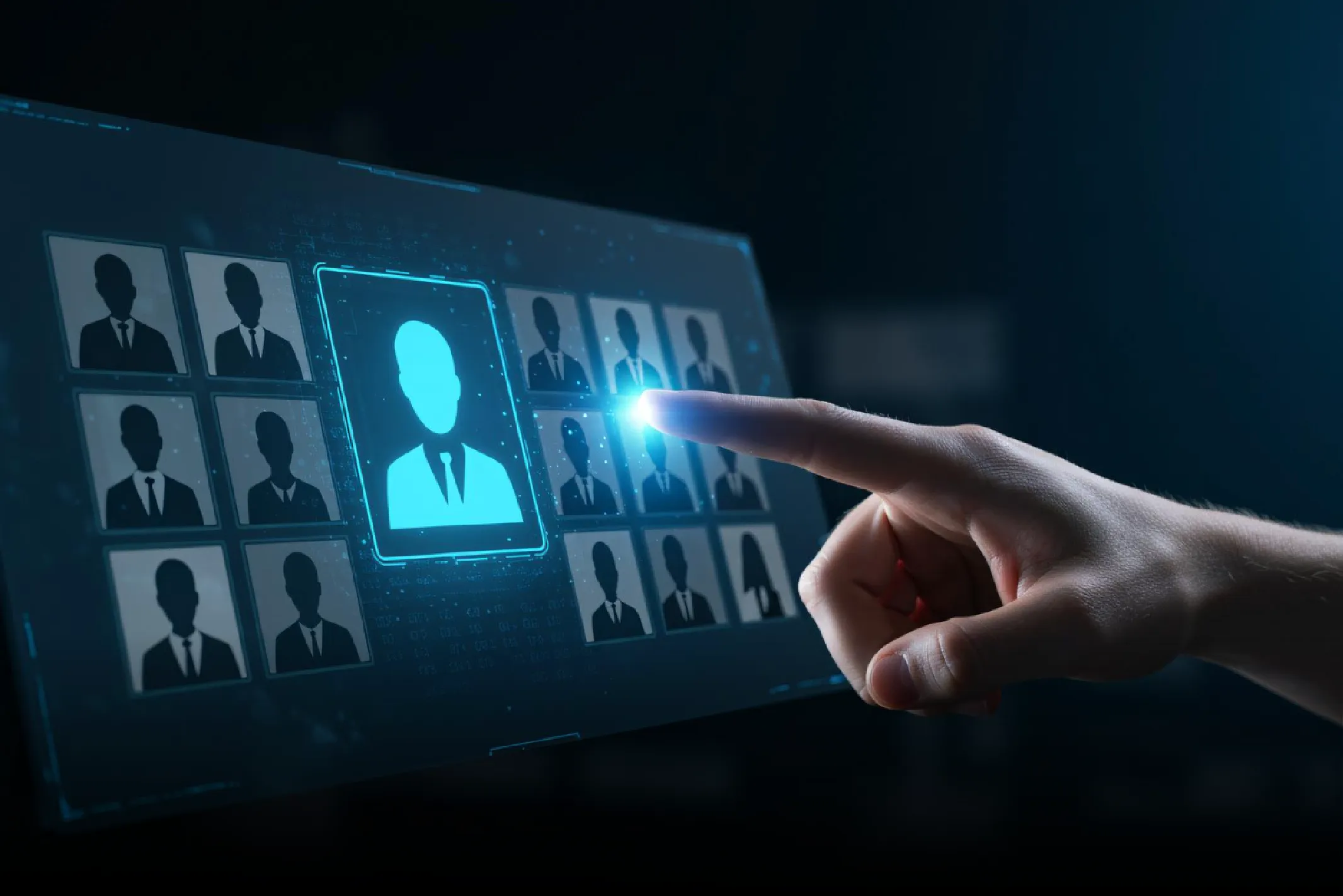
Instead of asking whether someone matches every line of an old job description, recruiters can start with the capabilities the role actually needs. Some skills may be essential from day one. Others can be developed after the person joins.
The same thinking applies internally.
A new capability does not automatically mean a new external hire. Someone in another department may already have related skills and could move with the right support. Internal mobility gives organizations another way to solve talent gaps without constantly looking outside.
An internal talent marketplace can make those opportunities more visible. Employees can see where their skills might take them next, while managers get a clearer picture of talent beyond their immediate teams.
That is a more flexible way to build a workforce.
Dynamic, Just-in-Time Learning and Development
Traditional L&D often works on a fixed calendar. Courses are planned, approved and scheduled. Employees attend them, complete the assessment and get back to work.
The problem is timing.
The skill may have been needed months earlier. Or the employee may forget most of it because the training had little connection to the work they were doing that day.
The International Labour Organization says 24% of workers worldwide are potentially exposed to AI, while exposure does not necessarily mean job loss.
That distinction matters. AI exposure should not automatically lead HR toward a replacement mindset. It should push the organization to think harder about how people can keep developing.
Micro learning works well here because it fits around the work rather than demanding a large block of time away from it. Short lessons, practical exercises, peer learning and coaching can help employees build capability when they actually need it.
The bigger change is cultural. Learning stops being something HR ‘delivers’ and becomes something employees can access as their roles evolve.
Traditional HR vs Agile HR in the 2026 Perspective
The contrast is not really about old HR being ‘bad’ and Agile HR being ‘good.’
Traditional systems were designed for a more predictable environment. The problem comes when organizations keep using those systems after the environment has changed.
Agile HR practices retain structure where it matters, but create room to adjust where rigidity starts hurting the business.
How to Transition Your HR Team to an Agile Model?
Trying to make the entire HR function agile overnight is probably the least agile thing an organization can do.
Start with one problem.
Step 1: Run an HR sprint
Choose a process employee already find frustrating. Onboarding is an obvious candidate. Map the current experience, identify the unnecessary steps, test a smaller version and gather feedback from the people who actually went through it.
Do not roll it out everywhere immediately. Learn first.
Step 2: Use AI and automation to clear administrative work
HR teams spend too much time on repetitive activities that do not require much judgment. Routine employee queries, scheduling, document handling and basic workflow tasks are areas where automation can reduce the load.
That does not mean handing people decisions to machines. It means giving HR professionals more room for conversations, coaching and workforce planning.
Step 3: Give local teams room to decide
Central HR cannot see every problem as clearly as the manager dealing with it.
Give teams defined decision rights. Let them solve routine issues without sending every decision upward. Keep central oversight for matters that genuinely require it.
Step 4: Watch the speed of the feedback loop
Ask a simple question after every HR sprint. Did we identify the problem faster, make the decision faster and learn something useful from the result?
If not, the organization may have adopted Agile language without changing how HR actually works.
Overcoming Common Roadblocks to HR Agility
The hardest part is usually not the framework. It is the behavior around it.
Leaders may worry that giving teams more authority means losing control. HR professionals may be attached to processes they have used for years. Legacy systems can make even small changes painful. Employees can also become exhausted when every quarter brings another ‘transformation.’
Agile HR practices should not create more change for the sake of change. They should make necessary change easier to absorb.
Building an Adaptable Future
The biggest mistake would be to turn Agile HR into another HR program with a name, a dashboard and a set of meetings.
The real shift is much more fundamental.
Organizations can no longer assume that roles, skills and career paths will remain stable long enough to manage them through fixed annual cycles. HR has to build systems that can move when the business moves, without leaving employees to figure everything out alone.
That makes agility less about speed and more about responsiveness.
The HR function that matters most in 2026 will not simply manage the workforce. It will help the workforce adapt.