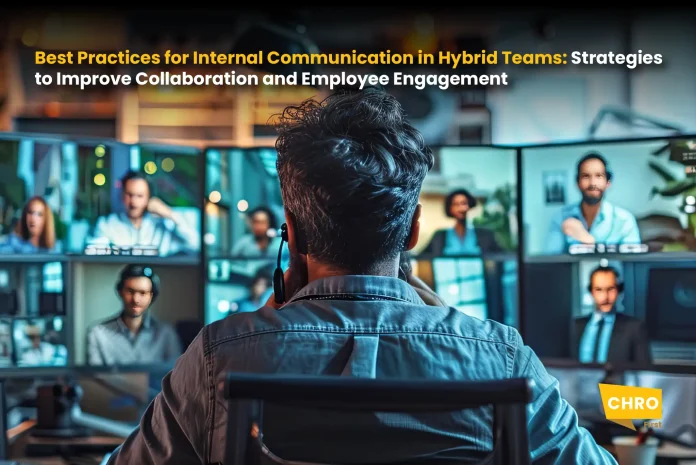
Hybrid work has changed where people do their jobs, but many organizations still communicate as though everyone shares an office. A whiteboard decision, a lunch-time update, or a message buried in chat can leave remote employees with incomplete information. Office-based staff may spend the day on video calls while colleagues at home struggle to separate priorities from notifications. These gaps create frustration and slowly weaken trust. Effective internal communication in hybrid teams needs a deliberate system that gives everyone equal access to information, clear rules for using each channel, and regular opportunities to contribute. The practices below show HR leaders how to build that system without adding more noise.
Why Traditional Internal Communication Breaks Down in Hybrid Teams

Traditional workplace communication often depends on proximity. Office employees hear informal updates and pick up changes in a manager’s priorities. Remote colleagues may receive the formal announcement later, without its context. One group hears the conversation as it happens, while the other relies on someone remembering to pass it on.
Channel sprawl adds to the problem. Policy updates arrive by email, project decisions sit in Teams or Slack, and informal requests appear on WhatsApp. That weakens internal communication in hybrid teams. Employees spend time searching instead of acting. Zoom’s March 2026 Lunch Break Report found that 58% of surveyed US knowledge workers said feeling pressured to be available to colleagues during lunch hours was a challenge to taking a break. Always-on expectations add pressure, while back-to-back calls create meeting fatigue. A familiar HR pattern is an employee discovering that a decision was made in a conversation they never joined. Repeated incidents can make people feel that speaking up is pointless, weakening psychological safety.
7 Best Practices for Internal Communication in Hybrid Teams
1. Establish a Single Source of Truth Knowledge Hub
Important information should not live only in chat histories or personal inboxes. HR policies, procedures, project decisions, and process updates need a central, searchable home. A well-managed intranet gives every employee the same starting point.
Microsoft’s 2026 Work Trend Index found that 26% of Frontier Professionals, compared with 19% of non-Frontier Professionals, reported that agent workflows, human handoffs, and quality standards were documented and repeatable at team level. The study examines AI-enabled work practices, not hybrid employees specifically, but it reinforces the value of documented processes. Assign owners to key documents, set review dates, and make the hub easy to search. If a decision changes how people work, record it there.
2. Adopt an Asynchronous-First Communication Charter
Employees need to know where a message belongs and when to respond. HR and business leaders should define each channel’s purpose. Use instant messaging for urgent blockers, project boards for task progress, email or newsletters for formal announcements, and the knowledge hub for policies and lasting decisions.
Set realistic response windows. An urgent blocker may need attention within two hours during agreed working hours, while a routine update can wait until the next working day. Strategic announcements may be read-only, and social channels should remain optional. These boundaries protect focused work and make communication more predictable. They make internal communication in hybrid teams more predictable because people know where to look and when to act.
3. Run Remote-First Hybrid Meetings to Eliminate Proximity Bias
Hybrid meetings can still favor people in the room. Office employees may share side conversations or respond before remote colleagues can join. Make meetings remote-first. Where practical, everyone should join from an individual screen so remote colleagues can follow turn-taking.
Share an agenda at least 24 hours ahead, state the decision needed, and circulate decisions, owners, and deadlines afterward. Zoom-commissioned research estimated that AI meeting summaries save hosts and attendees an average of 1.6 hours per week on follow-up tasks such as capturing actions, preparing recaps, and searching for information. This is a survey-based estimate, not a guaranteed saving. Written records still make it easier for absent employees to catch up without relying on hallway conversations.
Also Read: Top HR Challenges in 2027: Key Workforce Trends and Priorities Every HR Leader Must Prepare For
Language can create another barrier. Google Meet introduced real-time speech translation across 63 languages, with translated audio and captions participants can enable. This can help international teams follow discussions, but it should support clear speaking and written notes. That is why internal communication in hybrid teams must account for language access as well as location.
4. Equip Line Managers as Communication Connectors
HR can design the framework, but employees experience it through their managers. Managers clarify priorities, explain decisions, and notice when someone is left out. Build structured weekly one-to-one check-ins into the routine. A 15-minute conversation can cover priorities, roadblocks, workload, and recognition.
Managers should check that remote employees have the context and access they need. They must share decisions with the whole team, not just those present in the office. This makes internal communication in hybrid teams part of daily work, rather than a campaign employee soon forget.
5. Replace Wall-of-Text Emails with Short Video and Audio Updates
Long emails are not always the best way to explain a sensitive policy change or a shift in priorities. A short leadership video or audio update can add tone and context. A three-minute monthly message can explain what changed, why it matters, and what employees should do next.
Keep it purposeful. Include captions, a transcript, and a written summary so employees can choose how to consume it. Video should not become compulsory, and written instructions should remain the reference. Used carefully, these updates strengthen internal communication in hybrid teams without creating more noise.
6. Create Intentional Virtual and In-Person Connection Rituals
Informal conversations help employees learn who is doing what, ask for help, and build relationships. Hybrid work reduces these chances, so organizations need deliberate opportunities for connection. That does not mean forcing people into games or random social events.
Interest-based chat channels and optional virtual coffee pairings can help. In-office anchor days should focus on brainstorming, mentoring, or problems best solved face to face. Do not ask employees to commute simply to spend the day on individual video calls. Connection rituals should make collaboration easier, not turn attendance into a performance measure. They give internal communication in hybrid teams a human dimension that chat messages cannot provide.
7. Build Two-Way Feedback Loops, Not Just Top-Down Broadcasts
Communication is incomplete when employees can receive information but cannot question it. Quarterly surveys can identify broader concerns, while monthly pulse polls help HR spot issues early. Anonymous town hall questions give employees another route to raise difficult topics.
The essential step comes after collecting feedback. Explain what leaders heard, what they will change, and what cannot change yet. A ‘You Said, We Did’ update closes the loop and shows that speaking up has value. Without a response, surveys create cynicism. Strong internal communication in hybrid teams depends on listening as deliberately as the organization broadcasts, then acting on what employees share.
Choosing the Right Channel for Hybrid Team Communication
The right channel depends on the urgency and purpose of the information. A clear matrix helps teams make that choice and keeps internal communication in hybrid teams focused.
| Communication type | Format | Ideal channel | Expected response SLA |
| Urgent blockers | Synchronous | Chat or call | Under 2 hours during agreed working hours |
| Daily collaboration | Asynchronous | Project board or knowledge hub | Within 24 hours |
| Strategic updates | Asynchronous | Leadership video digest or newsletter | Read-only |
| Social and recognition | Asynchronous | Dedicated social channel | Optional |
These are guidelines, not universal rules. Adjust them for schedules, customer commitments, and urgency. Employees should know whether a message needs an immediate answer or should remain available for reference.
How to Measure Internal Communication Success in a Hybrid Workplace
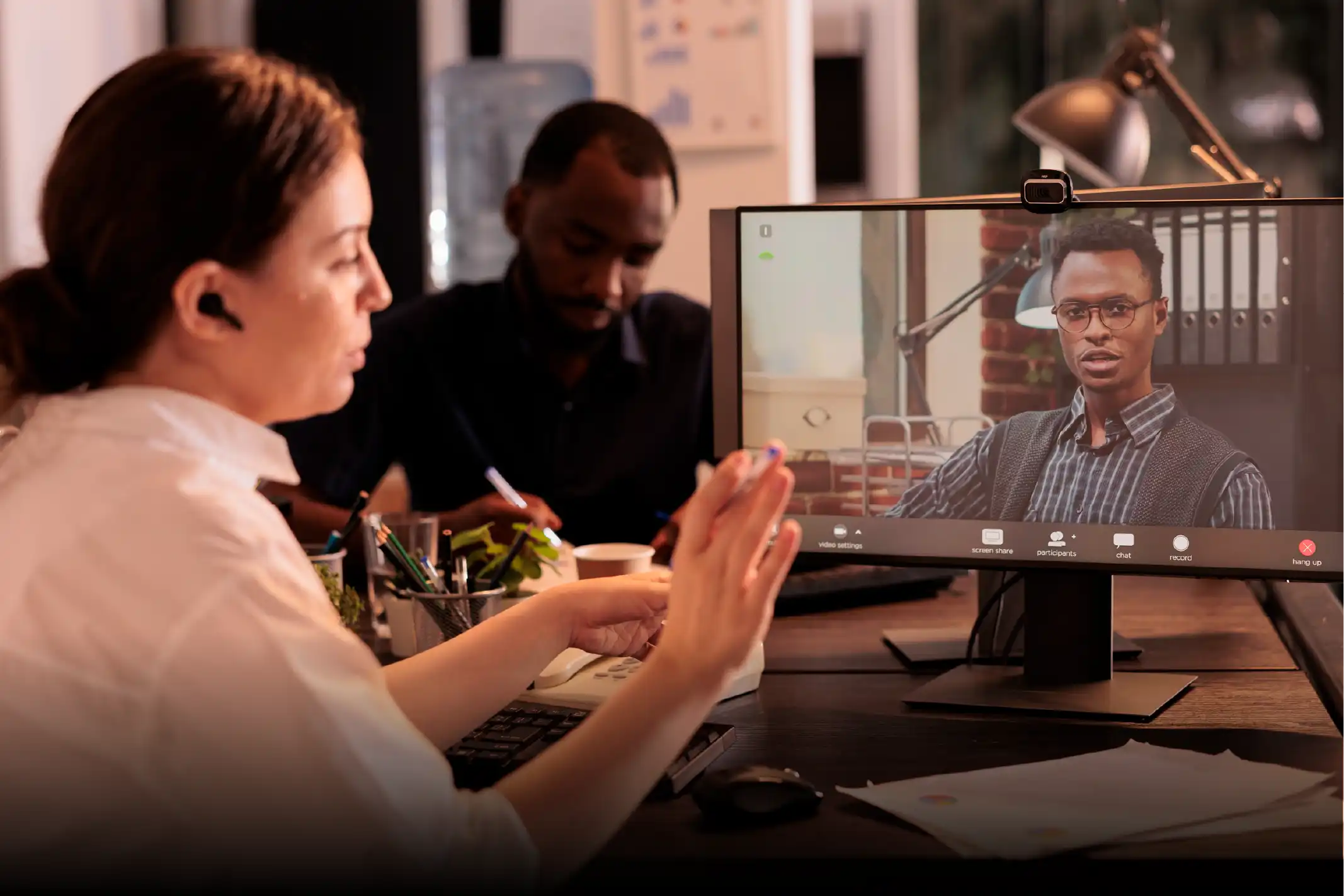
HR teams should look beyond email open rates. Compare reach and read-through among remote and office-based employees. Use a pulse question such as, ‘I understand how my work connects to company goals,’ to track alignment. Review the meeting-to-deep-work ratio and compare retention and eNPS across work arrangements, accounting for role and tenure.
Zoom’s October 2026 Workvivo Campaigns update includes audience targeting, segment-level engagement breakdowns, channel preference reporting, and analytics for reach, engagement, completion, and employee-generated content. These features help teams inspect campaign performance, but a view does not prove understanding. Measure internal communication in hybrid teams through reach, comprehension, and response, not activity alone.
Building a Connected Hybrid Culture Starts with Intentionality
Hybrid culture will not improve simply because an organization sends more updates or adds another platform. It improves when employees can find information, understand what needs attention, and contribute regardless of location. Leaders must drop habits that favor office staff and protect focused work.
HR leaders can start with a three-question pulse check this week. Ask which channel gives employees useful information, which creates the most noise, and what important update they recently missed. The answers will show where the system is failing. Fix those gaps first. Internal communication in hybrid teams improves when organizations act on employees’ experience, not just what a dashboard says.