The RTO versus remote fight is over. Not because someone won. But because the argument itself became outdated.
In 2024 and 2025, companies debated presence. In 2026, serious organizations design performance. That shift defines the future of remote work today. It is no longer a temporary arrangement or a talent perk. It is now embedded inside the Employee Value Proposition. Candidates expect flexibility. Leaders demand outcomes. And HR sits in the middle trying to balance both.
So the real question is no longer where people work. It is how distributed teams deliver consistent results without burning out or drifting apart.
This article explains how remote work will develop in 2026 based on current worldwide research and needs that require changes to existing productivity models and the methods HR leaders should use to develop cultural and compliance and operational capabilities within their international workforce.
Let’s get into what actually matters.
Also Read: Revolutionizing HR: Unraveling the Tech Behind AI-Powered Virtual Assistants
Understanding the 2026 Workplace Landscape Beyond Hybrid Hype
Hybrid is no longer a headline. It is infrastructure. Most global organizations have moved into what can best be described as a choice-based model. Employees are not fully remote. They are not fully office-bound either. Instead, they operate within defined flexibility frameworks. This stabilization signals maturity in the future of remote work. However, the bigger shift is not location. It is workflow.
According to the official 2025 Work Trend Index published by Microsoft, the study aggregates productivity signals and survey data across millions of data points in 31 countries. That scale matters. It moves the conversation from anecdotes to evidence.
What the research indirectly confirms is this. Work is becoming asynchronous by design. Meetings are being questioned. Documentation is prioritized. Time zones are respected rather than resisted.
In other words, passive remote work is dying. Presence without contribution is being exposed quickly. Therefore, the future of remote work in 2026 is not about logging in from home. It is about building systems where communication does not depend on real-time availability. Teams that master asynchronous workflows reduce friction. They also reduce burnout.
This is where HR must intervene. Policy alone will not sustain distributed workforce management. Process architecture will. And that changes everything.
Redefining Productivity Through Outcomes Over Hours
The productivity debate inside remote work was never really about location. It was about visibility. Leaders felt uncomfortable because they could not see effort. Employees felt exhausted because effort was increasing without clarity.
The 2025 Work Trend insights from Microsoft expose this tension clearly. 53 percent of leaders say productivity must increase. At the same time, 80 percent of employees report they lack the time or energy to meet rising expectations. That is not a perception gap. That is a system imbalance.
So when companies argue about the future of remote work, they are often solving the wrong problem. The real issue is work design. Meetings stacked on meetings. Constant pings. Fragmented priorities. Remote work did not create this chaos. It revealed it.
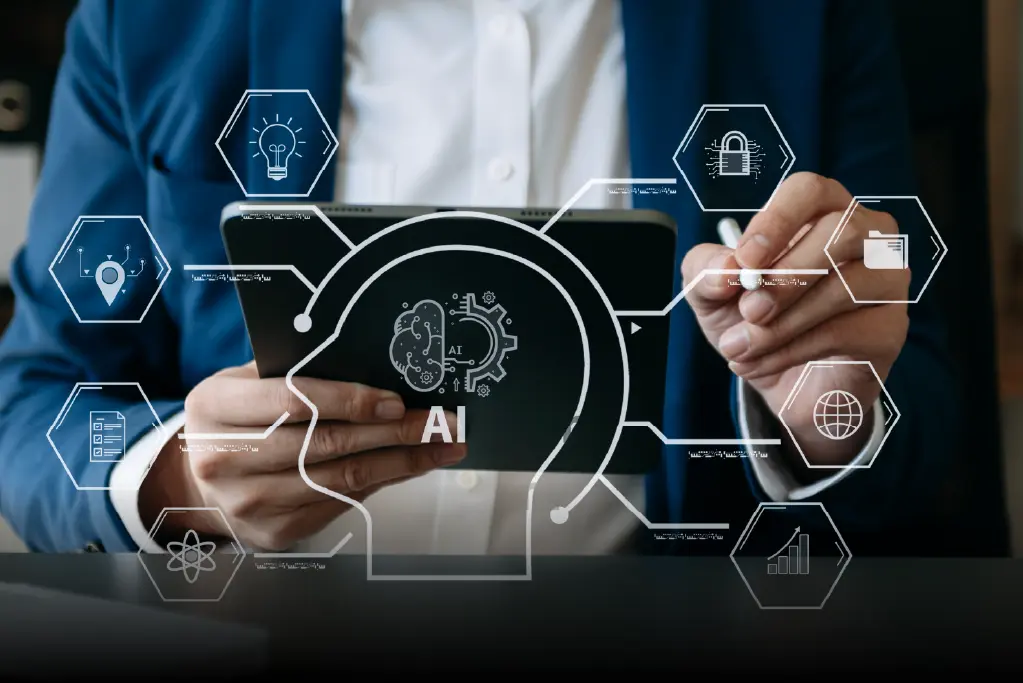
Now layer in AI. According to the same 2025 research, 82 percent of leaders expect to use digital labor to expand workforce capacity in the next 12 to 18 months. That signals a structural shift. Administrative tasks, reporting loops, repetitive coordination and even early-stage analysis are increasingly handled by AI systems.
This changes productivity logic completely.
If digital systems handle low-value repetition, then human contribution must shift toward judgment, creativity and strategic thinking. That means HR leaders cannot measure productivity in hours logged. They must measure it in outcomes delivered.
This is where trust-based management becomes non-negotiable. Monitoring screen time may offer psychological comfort to managers, but it does not drive value. Clear objectives do. When organizations implement objective-based key results and align them with strategic goals, distributed workforce management becomes measurable and fair.
The future of remote work depends less on location control and more on performance architecture. Companies that redesign workflows around outputs will scale. Those that cling to presence metrics will burn out their talent quietly.
The Middle Management Crisis and the Great Flattening
Remote work did something most boardrooms did not anticipate. It exposed management gaps that office environments used to hide.
In traditional settings, proximity compensated for poor clarity. A manager could walk over, interrupt, correct and move on. In distributed teams, ambiguity lingers. Poor instructions multiply. Misalignment becomes visible very quickly.
The 2025 research introduces a powerful idea. Organizations are increasingly blending human employees with AI agents to expand capacity and redesign workflows. That means managers are no longer coordinating only people. They are orchestrating systems.
This creates what many now call the great flattening.
When AI handles task routing, documentation, and even first-level analysis, layers built purely around supervision start to lose relevance. Managers who add value through insight, coaching and decision-making rise. Those who rely on monitoring struggle.
Therefore, upskilling middle management is not optional in the future of remote work. It is urgent.
Managers must learn to become facilitators. That means clarifying outcomes before tasks begin. It means removing friction quickly. It means creating structured check-in rhythms that support, not suffocate.
There is also a human layer here that often goes ignored. Entry-level remote employees face isolation risks. Without informal mentorship, they can feel invisible. HR leaders must therefore implement human-centric leadership programs that teach digital empathy, feedback loops and inclusion practices.
The remote work system will expose all weaknesses of organizations which refuse to develop their management system. The distributed teams will achieve greater speed and efficiency and accountability when organizations make specific investments for their development.
Sustaining Culture in a Screen First World
Culture was once associated with shared space. Shared space is now optional. Culture is not.
In distributed teams, culture becomes a design decision. If left unmanaged, it fragments. If structured intentionally, it scales across geographies.
The future of remote work requires replacing passive connection with purposeful rituals. Instead of relying on hallway conversations, leading organizations design micro-moments of engagement. Structured weekly reflections. Cross-functional demo days. Transparent recognition systems that celebrate contributions publicly. These practices create visibility and belonging without physical proximity.
However, digital culture cannot remain purely virtual. That is where the hub and spoke model enters.
The 2026 office space has transformed into a place where people can work together instead of being a space which requires daily presence. Teams gather periodically for strategic sprints, innovation sessions and trust-building workshops. The team establishes social connections during focused time periods which help them work together online after the meeting.
This hybrid rhythm creates balance. Daily flexibility combined with periodic intensity.
From an HR strategy perspective, this demands thoughtful planning. Onboarding journeys must be documented and immersive. Communication guidelines must be clear. Leaders must model behaviors consistently.
The future of remote work fails when culture is assumed. It succeeds when culture is engineered.
And here is the uncomfortable truth. Culture engineering requires more effort than maintaining physical presence ever did. But the payoff is significant. Distributed workforce strategy becomes resilient because it is built on shared norms rather than shared walls.
Compliance and Global Talent in the Borderless Payroll Era
While many discussions around the future of remote work focus on productivity and engagement, governance often remains an afterthought. That is risky.
Organizations increase their tax obligations and regulatory compliance requirements and challenges for employee classification when they implement hire-from-anywhere employment models. The 2026 Business Travel and Remote Work Survey published by Deloitte reveals that organizations now base their talent strategies on the need to address cross-border workforce analytics and compliance requirements.
This insight shifts the narrative. Remote work is no longer simply an HR initiative. It intersects with finance, legal and risk management.
Employer of Record services are accelerating global mobility. They allow companies to onboard talent in new regions without establishing full local entities. However, these structures require careful oversight. Payroll reporting, statutory benefits and labor laws differ significantly across markets.
Security architecture must also evolve. Zero trust models are becoming foundational because distributed teams access systems from multiple locations and devices. Remote-first HR strategy must align with IT to ensure secure identity management and data protection.
The future of remote work will benefit organizations which treat compliance as their strategic framework. Early governance implementation decreases future operational barriers.
Companies that underestimate this layer will experience rapid growth yet face expensive operational adjustments. Strategic HR leaders in 2026 understand that flexibility without structure eventually collapses.
The Strategic HR Roadmap

Flexibility is not a perk anymore. It is strategy. The future of remote work in 2026 demands clarity in three areas. Performance architecture. Leadership capability. Compliance readiness.
HR leaders must adopt talent intelligence systems that provide visibility into skills, output, and engagement across distributed teams. They must also embrace AI-driven engagement tools carefully and ethically. Not for control. But for support.
Intentional flexibility works when it is backed by systems. It fails when it is treated casually. The debate about location is behind us. The real challenge now is designing environments where people can do their best work regardless of geography. The future of remote work is not about home versus office. It is about empowerment versus exhaustion. Choose wisely.