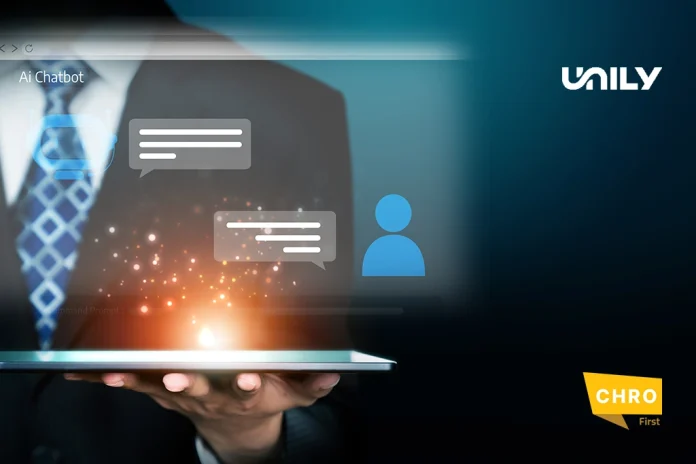
Unily has launched Unily Glass, an AI-powered interface to change how employees use enterprise systems. This “single pane of glass” for the digital workplace brings together information, applications, and workflows. It aims to provide a unified conversational experience and cut down inefficiencies from separate systems.
Unily Glass is part of the company’s AI-native employee experience platform. This platform embeds artificial intelligence into core enterprise operations. It doesn’t treat AI as an add-on. Employees can search for information, access tools, and complete tasks. They can submit requests or update systems using a natural language interface. This means they don’t have to switch between multiple applications.
The Unily Glass platform, through its integration with enterprise systems such as HR systems, CRM tools, and knowledge repositories, converts the classic intranet into an action-driven workspace. Employees are no longer just looking for information but can act on it immediately, which simplifies the processes and saves the time that would otherwise have to be spent using different tools.
This release illustrates a more general movement toward agentic AI at work, where smart machines not only share the results of their analysis but can also carry out some work. The method taken by Unily prioritizes governance and enterprise control to make sure that the AI runs securely inside the data environments of organizations and at the same time produces results that can be measured, e.g. better productivity and faster decisions.
Also Read: Phenom Unveils AI Architecture to Redesign Work Operations Across Hiring, Development, and Retention
Implications for the HR Industry
The launch of Unily Glass brings about a big change in the way HR teams handle employee experience and engagement. HR departments have been challenged for a long time with disjointed systems, wherein employees have to go through multiple platforms for things like accessing policies, requesting leave, or completing onboarding tasks.
Unily Glass, by merging such employee engagements into a single AI-powered platform, allows HR teams to create smooth, self-service employee experiences. This not only eases the workload of the administration but also enhances accessibility and quickness. Employees can get immediate responses and accomplish their tasks on their own, which frees up HR everyone to concentrate on strategic matters like planning the workforce, growing talents, and building organizational culture.
Moreover, the platform enables customization of employee experiences based on the personal and contextual information used for generating replies and suggestions. This matches the increasing focus on employee experience as a factor that influences employee engagement and retention. In the race for talents, intuitive and AI-enabled workplace tools will not only boost the image of the employer but also raise satisfaction levels.
Broader Business Impact
Using AI-driven productivity platforms, such as Unily Glass, could be one of the ways for businesses to achieve operational benefits that can even be measured. One of the most dramatic results of the usage of AI platforms is the leveling of digital friction that we see in big companies where the employees waste a lot of time by changing the system and searching for information.
When all access points are centralized and employees are enabled to perform the tasks in real-time, the organizations will see big progress in efficiency and a reduction in the workflow blockages. This is most valuable to industries that have large, distributed workforces, as consistent access to information and tools is critical for the performance of the employees. Besides that, AI-based interfaces can improve decision-making as well by equipping employees with the right, timely insights to help them resolve their problems and make changes faster in conditions of constant change.
So it also would be possible to reduce IT complexity and operational overhead by switching to a single integrated platform altogether that eliminates reliance on many unconnected tools. At the same time, increased productivity and engagement of employees can result in better overall business performance.
The Future of AI-Driven Workplaces
Unily Glass is part of a wider change in the use of technology at the workplace where a computer system able to imitate ‘human’ intelligence becomes the way people actually do their work. In this respect, as enterprises keep increasing their intake of AI, the interest is moving away from single automation to the creation of smart full-fledged systems that bring together people, data, and work processes.
Such a trend for the HR sector and corporates in general is a good pointer to the fact that there is a need to put money into platforms that not only boost efficiency but also enhance the experience of the employees. Given that the digital work environment is getting more and more complicated, the tools that can both ease the communication and facilitate smooth performance will be indispensable work shapers in the times to come.

