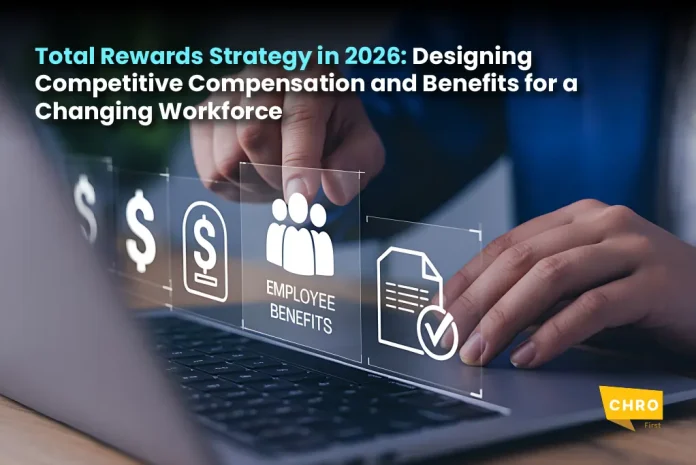
Things have changed. 2026 is not like before. The old pay-for-time model is gone. People do not just want a paycheck. They want value. Compensation, benefits, recognition, growth, and well-being. They want it all together. Companies that ignore this are already behind.
In 2024 and 2025, most companies focused on inflation. Just keeping paychecks relevant. That is not enough anymore. Now, employees want personalization that lasts. They want flexibility. Growth. AI that makes work easier and more meaningful. They come from different generations. Boomers, Gen X, Millennials, Gen Z, Gen Alpha. Each wants different things. One-size-fits-all rewards no longer work.
Total rewards strategy exists as a strategic growth engine that extends beyond its original function as an HR department. The organization achieves financial stability through its programs which provide customized experiences for its customers. The system operates through its five main components which include compensation and benefits and well-being and recognition and development proficiency. The organization makes all its choices through the use of data.
The World Economic Forum reports that there will be 78 million net new jobs by 2030. Job functions experience changes because of technological progress and demographic changes. Companies that do not adapt their rewards strategy will struggle to attract and retain talent.
From Transactional Pay to Holistic Value Propositions
Old pay models are broken. They were designed for a world that does not exist anymore. Paying someone a fixed amount because of their role and giving a yearly raise is not enough. People want pay to reflect skills, impact, and contribution. This is the shift from role-based pay to skills-based pay. It is a big change and it is not optional.
Indeed’s 2026 trends show that the job market is cautious but stable. Workers are choosing opportunities based on flexibility, growth potential, AI support, and transparency. Salary alone does not cut it anymore. If companies ignore this, they will lose talent. High performers will leave for employers that value their skills more.
This is why total rewards strategy cannot just be transactional. You cannot hand someone a paycheck and call it a day. You need to think about the whole experience. Compensation, benefits, well-being, recognition, and growth all together. Employees notice when any part is missing or undervalued.
Agile Compensation and Real-Time Rewards
Annual reviews are slow. Fixed increments are too rigid. Employees notice this. When they notice, they start looking elsewhere. Agile compensation is about being fast and fair. Real-time market benchmarking, spot bonuses, and pay equity audits are not optional. They are necessities.
AI plays a huge role. Companies can model different pay scenarios and simulate incentives to respond quickly. The 2025 Global Workforce Hopes and Fears Survey conducted by PwC established that organizations which implement AI technologies experience improvements in their operational efficiency and employee compensation and workforce stability. At the same time, fewer than half of workers received raises last year. The difference between what people expect and what actually happens creates this gap.
Agile pay means rewarding people promptly. Spot bonuses and real-time adjustments keep morale high and employees engaged. Equity audits ensure fairness across roles, genders, and generations. Employees notice inequities, even small ones. Fairness matters.
If you do not make compensation agile, you risk losing talent, damaging trust, and hurting your brand. People talk. Reputation matters. Total rewards strategy must address this or it fails.
Also Read: Talent Acquisition Strategy in 2026: How HR Leaders Build Scalable, Future-Ready Hiring Models
Making Benefits Personal and Flexible
Benefits are not just perks anymore. They are central to the employee experience. People want choice. Lifestyle Spending Accounts allow employees to spend on what matters to them. Health, wellness, education, childcare, side projects. Pick-your-own benefits give control.
The 2025 Executive Performance and Rewards Survey by Deloitte demonstrates that organizations are changing their reward systems to implement performance-based incentives and comprehensive performance evaluation methods. The study shows that employees prefer response systems which provide rewards based on their actual performance achievements instead of their standard salary. Total rewards strategy must integrate this.
Different generations value different things. A Gen Z employee may want tuition support for a side course. A Millennial with kids may want childcare assistance. A Boomer may value health and retirement benefits. One-size-fits-all benefits no longer work.
Giving employees choice increases engagement and loyalty. It makes them feel valued as individuals. They stay. They perform better. Flexible benefits are not a nice-to-have. They are essential.
Building Well-being into Everyday Culture

Well-being is no longer optional. It is strategic. McKinsey Health Institute 2025 shows investing in workforce health improves productivity and organizational outcomes. It is not just about employee happiness. It is about business performance.
Mental health should be a KPI. Peer-to-peer recognition should be daily. Financial wellness coaching should be available to all. Recognition is not just yearly awards. It should be part of culture. Daily, visible, and meaningful.
Total rewards strategy receives optimal performance benefits through its well-being initiatives which decrease employee absenteeism while increasing staff loyalty. The employees receive dual support which meets their personal and professional needs. Companies that neglect this in 2026 risk higher turnover and lower engagement. Well-being programs which their competitors implement lead to better talent recruitment for their organizations.
4 Steps to Implementing a Total Rewards Strategy
Step one: audit. Use surveys, listening tools, and feedback to understand what employees value. Step two: align. Connect rewards to business-critical skills, not just tenure. Step three: communicate. Total Rewards Statements visualize the full value employees receive. Step four: optimize. Review programs quarterly. Look at utilization, effectiveness, and engagement. Adjust when needed.
The total rewards strategy gains strategic value through this approach, which goes beyond mere transactional application. The system connects employee expectations with the organization’s business objectives. The system establishes transparent processes while maintaining equitable treatment and fostering employee participation. The system helps organizations keep their best employees while ensuring that their programs remain applicable.
Future-Proofing Your Workforce

Human-centric design should receive priority as the primary design approach for future development. AI will shape work processes, but it cannot replace human capabilities which include empathy and cultural understanding and the ability to provide meaningful recognition. The total rewards strategy of 2026 requires an equal distribution between three elements which include technological advancements and personalized solutions and financial sustainability.
Employees want more than pay. They want recognition, growth, and well-being integrated into every part of their experience. Companies that ignore this risk falling behind. Those that embrace it will be employers of choice. They will attract and retain top talent and stay competitive in a rapidly changing world.
Total rewards strategy is not optional anymore. It is a necessity for growth, engagement, and resilience. It defines who thrives in 2026 and who does not.