The physical office used to define employee experience. Now the real headquarters sits inside a login screen.
Employees no longer judge a company only by pay, perks, or office culture. They judge it by friction. How many tools they open before lunch. How long it takes to find answers. Whether support arrives before burnout does. The ‘digital front door’ has quietly become the new employee experience battleground.
That shift is forcing enterprises to rethink what an employee experience platform actually does. In 2026, the best platforms do three things exceptionally well. They integrate disconnected systems, personalize employee journeys, and automate repetitive work before frustration builds up. Microsoft even describes Viva as ‘the first integrated employee experience platform for the hybrid work era.’ That statement captures where the market is heading.
This comparison of leading employee experience platforms breaks down which solutions are winning, why they matter, and where each platform fits best inside the modern enterprise.
The Pillars of a 2026 Employee Experience Platform
Most companies still think employee experience is about engagement surveys and wellness webinars. Meanwhile, employees are drowning in tabs, notifications, and fragmented workflows.
That disconnect is the real problem.
The strongest employee experience platforms in 2026 are built around three core pillars.
AI and Hyper-Personalization
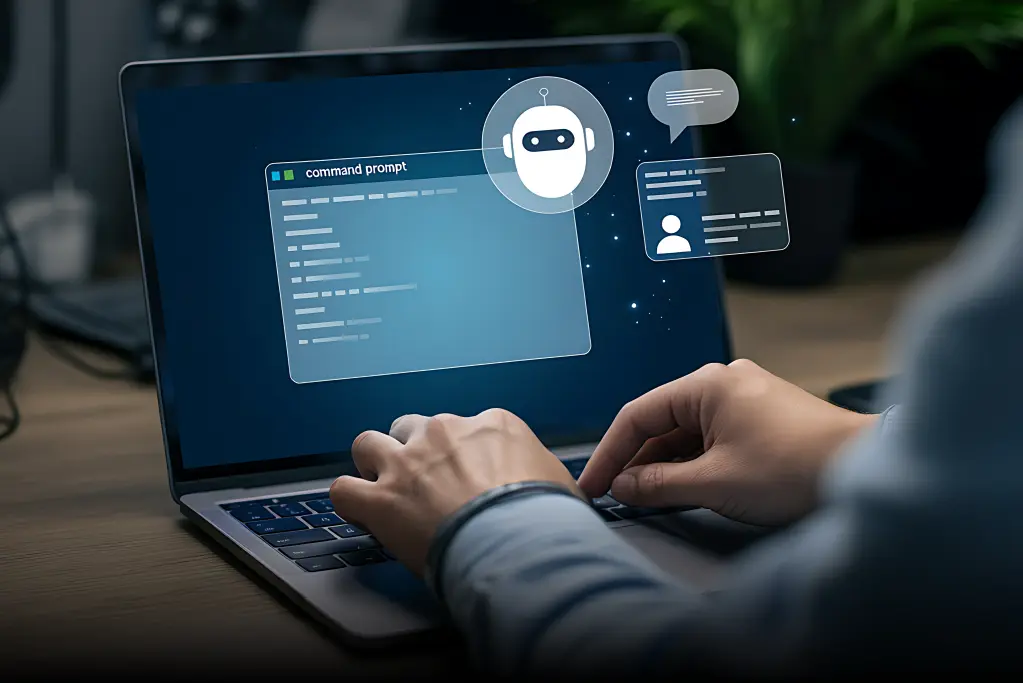
Modern EX platforms are moving from reactive systems to predictive systems. Instead of asking employees if they feel burned out after the damage is already done, platforms now analyze behavioral patterns in real time. Collaboration overload, meeting density, response fatigue, and learning inactivity can all become early warning signs.
McKinsey predicts AI ‘personal agents’ that handle routine HR and development tasks for each employee. That changes the role of employee experience entirely. The platform is no longer a dashboard. It becomes an active workplace assistant.
This is where AI-powered HR platforms are separating themselves from legacy engagement software. The best tools now recommend learning paths, trigger nudges for managers, automate support tickets, and even surface recognition opportunities before disengagement spreads.
Seamless Integration
App fatigue is quietly killing productivity inside enterprises.
One tool for communication. Another for HR. Another for learning. Another for support. Employees spend more time navigating systems than doing meaningful work.
Adobe found fragmented tools and constant context switching create productivity gaps that unified systems can close. That insight explains why digital workplace platforms and employee experience software are starting to merge together.
The winning platforms are becoming orchestration layers. Employees should not need five dashboards to complete one workflow.
Data-Driven Empathy
The smartest EX strategies are becoming less corporate and more human.
Sentiment analysis, pulse feedback, behavioral analytics, and collaboration data now help leaders understand workforce health continuously instead of quarterly. However, the goal is not surveillance. The goal is intervention before disengagement becomes resignation.
That is why employee experience tools for enterprises increasingly focus on proactive leadership support. Managers receive prompts, recognition recommendations, burnout alerts, and engagement insights while work is happening, not months later inside a survey report nobody reads.
Comparing the Leading Employee Experience Platforms in 2026
The employee experience platform market is crowded. Yet most platforms still fall into four very different categories. Some dominate integration. Others dominate culture. Some focus on technical performance. Others win because they are deeply embedded inside existing ecosystems.
That distinction matters more than feature checklists.
LumApps: The Enterprise Digital Headquarters
LumApps has positioned itself as the ‘digital headquarters’ for globally distributed organizations. That positioning works because large enterprises no longer struggle with communication alone. They struggle with fragmentation.
LumApps functions as a complete digital workplace which brings together all internal communication channels and business software applications and intranet systems and knowledge base materials. The company provides its staff members with access to a single branded platform which replaces the need to switch between various corporate software applications.
This becomes especially valuable for organizations operating across regions, languages, and business units. Large decentralized enterprises need consistency without forcing rigid workflows. LumApps solves that by acting as a centralized employee experience platform while still supporting localized communication.
Its AI capabilities focus heavily on content orchestration and personalization. News feeds adapt based on employee role, geography, and interests. Generative AI also helps teams create internal communications faster, which matters because internal content volume has exploded in hybrid workplaces.
The platform works best for enterprises that need alignment at scale. Companies with thousands of employees often lose cohesion because systems evolve faster than culture. LumApps tries to solve that gap by turning the intranet into a dynamic operational hub instead of a static information repository.
That is why LumApps fits best under ‘The Enterprise Choice.’ It is less about employee rewards and more about creating one unified entry point into the company itself.
Workhuman: The Culture Specialist
Some companies have a productivity problem. Others have a belonging problem.
Workhuman focuses entirely on the second category.
Unlike broader digital workplace experience software, Workhuman is built around recognition, social connection, peer appreciation, and workplace belonging. The platform revolves around peer-to-peer rewards, milestone celebrations, manager recognition, and culture-building interactions integrated directly into daily workflows.
That sounds soft on the surface. It is not.
High-turnover industries already know disengagement compounds quietly before people leave. Employees rarely resign because of one bad week. They disengage gradually when effort stops feeling visible.
Workhuman’s AI capabilities are designed around emotional signals and recognition behavior. Mood-based prompts help managers identify when recognition is needed. The system also identifies gaps where appreciation is inconsistent across teams.
That matters because recognition inequality creates cultural fractures faster than most leaders realize.
This platform is especially effective inside industries with chronic burnout pressure such as healthcare, hospitality, retail, and customer support. In those environments, employees often need emotional reinforcement as much as operational efficiency.
Workhuman succeeds because it understands one uncomfortable truth many companies ignore. Productivity without emotional connection eventually becomes transactional. Transactional cultures rarely retain great talent for long.
Nexthink: The DEX and IT Experience Leader
Most employee experience conversations focus on culture and engagement. Employees, however, often experience frustration much earlier.
Slow laptops. Broken VPNs. Wi-Fi failures. App crashes. Endless tickets.
That is where Digital Employee Experience platforms like Nexthink operate differently.
Nexthink focuses on the technical side of employee experience. The system performs continuous monitoring of endpoint health and operating system status and network performance and device reliability and application behavior throughout the entire organization.
The current year 2026 gives this category greater importance because hybrid work has established permanent changes to IT support boundaries. Employees now expect enterprise-grade digital experiences regardless of location.
The real differentiator is autonomous remediation.
Instead of waiting for employees to report issues, AI models identify anomalies early and resolve problems automatically. HP’s Workforce Experience Platform reportedly logged 4.6 million self-heal actions per month. That number explains where the market is heading. Reactive IT support is becoming obsolete.
Nexthink works best for remote-heavy enterprises, consulting firms, engineering organizations, and high-performance industries where digital friction directly impacts revenue.
This is not traditional employee engagement software. It is operational infrastructure disguised as employee experience.
And honestly, that distinction matters. Employees do not separate technology frustration from workplace frustration. To them, both feel like the company failing.
Microsoft Viva: The Ecosystem-Native Choice
Microsoft Viva might be the most strategically dangerous player in the market because it does not behave like a standalone platform.
It behaves like an extension of existing work.
That changes adoption completely.
Instead of forcing employees into another application, Viva embeds employee experience directly into Microsoft Teams and Microsoft 365 workflows. Employees access communication, learning, insights, analytics, and feedback mechanisms without leaving their existing environment.
That ecosystem advantage is massive.
Viva combines modules like Connections, Learning, Insights, Topics, and Glint into one integrated experience layer. More importantly, it leverages work data already flowing through Teams, Outlook, SharePoint, and calendars.
This gives Microsoft a contextual advantage most competitors cannot replicate easily.
Its AI capabilities develop through its Copilot integration which supports its development. The system enables employees to create conversation summaries while they schedule focus sessions and they organize learning activities and they handle follow-up tasks and they automate their workflow coordination duties.
The system functions as an employee engagement platform through its Viva operating system which employees use to complete their daily work tasks.
Organizations already standardized on Microsoft 365 gain the most value because implementation friction stays low. There is no behavioral reset required. Employees simply interact with enhanced workplace intelligence inside systems they already use daily.
That positioning makes Viva the strongest ‘ecosystem choice’ in the current employee experience platform market.
Also Read: HR Technology in 2026: How Digital Innovation Is Transforming Workforce Management and Strategic HR
AI Capabilities Are Becoming the Real Differentiator
Feature parity is increasing across employee experience platforms. AI maturity is becoming the real separation layer.
Predictive analytics is now central to enterprise EX strategies. Platforms increasingly model turnover risk, burnout probability, engagement decline, and collaboration overload using behavioral signals collected continuously across workflows.
The shift is subtle but important.
Traditional HR systems documented problems. Modern AI employee experience platforms attempt to prevent them.
Agentic AI is pushing that transformation even further. Employees increasingly interact with autonomous workplace assistants capable of scheduling coaching sessions, booking training programs, resolving IT requests, summarizing workflows, and managing repetitive coordination tasks automatically.
That changes expectations rapidly.
Once employees experience proactive AI support, they stop tolerating fragmented workplace systems. They expect the workplace itself to become intelligent.
The strongest platforms understand this transition already. They are no longer building dashboards. They are building workplace orchestration systems powered by AI.
That is a very different market than the one HR technology operated in five years ago.
Choosing the Right Employee Experience Platform
Not every organization needs the same type of employee experience software. The right platform depends on operational complexity, workforce behavior, and cultural priorities.
Mid-sized growth companies often benefit more from lightweight recognition-focused tools like Bonusly or Nectar. These platforms improve morale quickly without requiring large transformation programs or deep enterprise integration.
Complex global organizations usually need broader orchestration layers. Platforms like LumApps or Oracle ME work better when governance, localization, compliance, and enterprise-scale communication become critical requirements.
Meanwhile, high-burnout industries should prioritize human-centered platforms first. Workhuman and Qualtrics perform well in environments where emotional fatigue, disengagement, and retention pressure are already major business risks.
The mistake many companies make is buying platforms based on features alone. The smarter approach is mapping employee friction first. The best employee experience platform is usually the one solving the biggest invisible frustration employees face every day.
Future-Proofing Your Employee Experience Strategy
Technology alone will not fix employee experience.
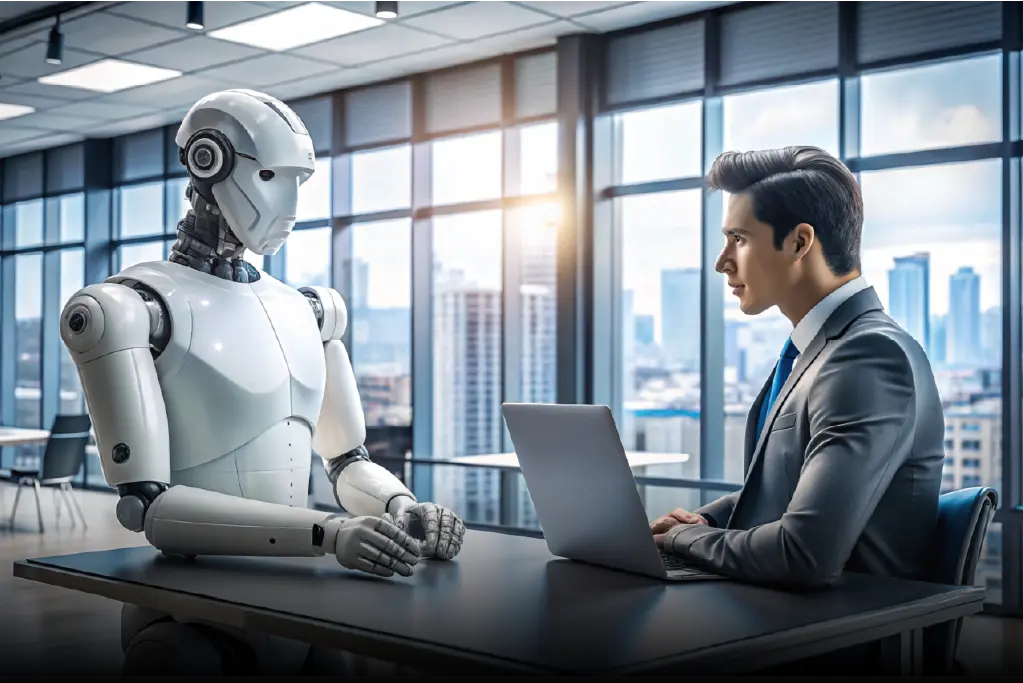
In fact, poorly implemented AI can make workplace culture worse. Deloitte warns about ‘culture debt’ when organizations adopt AI without empathy and human-centered leadership. That warning matters because many companies are currently automating workflows faster than they are rebuilding trust.
The strongest EX strategies in 2026 combine AI-driven efficiency with human-centered management. Platforms should reduce friction, surface insights, and automate repetitive work. However, leadership still determines whether employees feel supported or replaceable.
That is the real differentiator.
The future belongs to organizations that treat employee experience as operational infrastructure instead of an HR initiative. Integrated platforms, predictive analytics, and AI copilots will keep evolving rapidly. Still, none of it matters if culture remains fragmented underneath the technology.
The smartest next step is simple. Audit your digital front door. Identify where friction, burnout, and fragmentation already exist. Then choose an employee experience platform that solves those problems before disengagement becomes your next retention crisis.