Employee retention today requires organizations to stop treating workers as permanent company assets. The practice belongs to a different time period. People will only remain at their jobs when they find their work important and observe personal advancement and experience a genuine workplace atmosphere.
The workplace is entering what many call the restless workforce phase of 2026. People are not leaving jobs only for salary anymore. They leave when learning slows down, when managers disconnect, or when career paths become foggy. In simple terms, retention is the outcome of a healthy work culture, not just an HR performance number.
The research studied over 1000 employees worldwide who employed 14 million workers across 55 different countries to find that workforce behavior changed because technology and economic shifts and new skill requirements transformed employee perceptions of work. The future of work is not about holding talent. It is about staying relevant to it.
Employee retention in today’s workplace environments shows how organizations develop three essential safety components for their workforce which include career safety and psychological safety and skill safety. The new competitive advantage which businesses pursue will become their primary focus starting in 2026.
Moving from Reactive to Proactive

Traditional retention strategy reacts after someone submits a resignation. That is too late. Modern organizations are moving toward predictive workforce thinking. The goal is simple. Find signals before intention becomes action.
Data shows that 36% of employees are not satisfied with their current employer. But here is the interesting part. Only 7% of unhappy employees have clear plans to leave immediately. This creates what many HR leaders call latent turnover risk.
In other words, people may stay physically while leaving mentally. They finish tasks but stop investing energy, ideas, or emotional effort. This is where AI-powered sentiment analysis and behavioral pattern tracking can help organizations understand flight risk signals early.
Stay interviews are becoming more valuable than exit interviews. Exit interviews explain why someone left. Stay interviews ask a deeper question. What is making you stay today? This small shift changes everything because it focuses on retention before dissatisfaction becomes visible.
The combination of technological advancements and an aging workforce and new skill requirements will determine the future of work until the year 2030. Organizations need to change their employee retention strategies from comfort-based loyalty to growth-based loyalty.
The 4 Pillars of Stability in 2026
If retention is a structure, then stability comes from four strong pillars working together. Organizations that focus only on one pillar usually struggle later. Balance is everything here.
Hyper-personalization is the first pillar. Employees are not a single group anymore. A Gen Z employee may value rapid learning and flexible experience design. An experienced employee will prioritize stability and healthcare benefits and retirement security. Companies that succeed design their employee benefits to change according to different life stages instead of using a single standard package.
Internal mobility is the second pillar. Hiring from within is often the strongest retention tool available. When employees see internal career ladders, they stop searching outside quietly. Movement inside the organization feels safer than leaving and starting again somewhere new.
Financial well-being is the third pillar. Salary matters, but modern employee retention goes beyond monthly pay. Emergency savings programs, student loan assistance, and financial education support reduce personal stress that often leaks into workplace productivity. When financial anxiety falls, focus rises naturally.
Managerial quality forms the fourth pillar. People do not leave companies only. More often, they leave managers who do not communicate, listen, or guide growth. The idea of the ‘Direct Boss’ is becoming important. Leaders who interact directly, provide feedback early, and remove confusion tend to build stronger loyalty.
Also Read: Future of Remote Work in 2026: How HR Leaders Are Redefining Flexibility, Productivity, and Workforce Strategy
Culture as the Competitive Moat
Culture is where retention either becomes sustainable or collapses quietly. Recognition, belonging, and psychological safety are not soft ideas anymore. They are strategic workforce tools.
Many executives believe their organization culture is strong. But there is often an empathy gap between executive perception and employee reality. Leaders may think communication is clear while employees feel information is filtered or delayed.
The empathy gap creates silent frustration. Employees stay in the company but reduce emotional commitment. That is why recognition systems must be visible, fair, and consistent. Small appreciation signals repeated over time matter more than occasional big rewards.
Belonging is equally powerful. Humans naturally want to feel they are part of something meaningful. When work connects to purpose, productivity usually follows. Psychological safety allows people to speak ideas without fear of negative judgment.
Another overlooked point is fairness perception. Even when pay and benefits are good, people leave if they believe decision processes are biased. Culture is not built through posters or mission statements. It is built through daily behavior, especially from middle management layers.
The Role of AI in Enhancing Experience
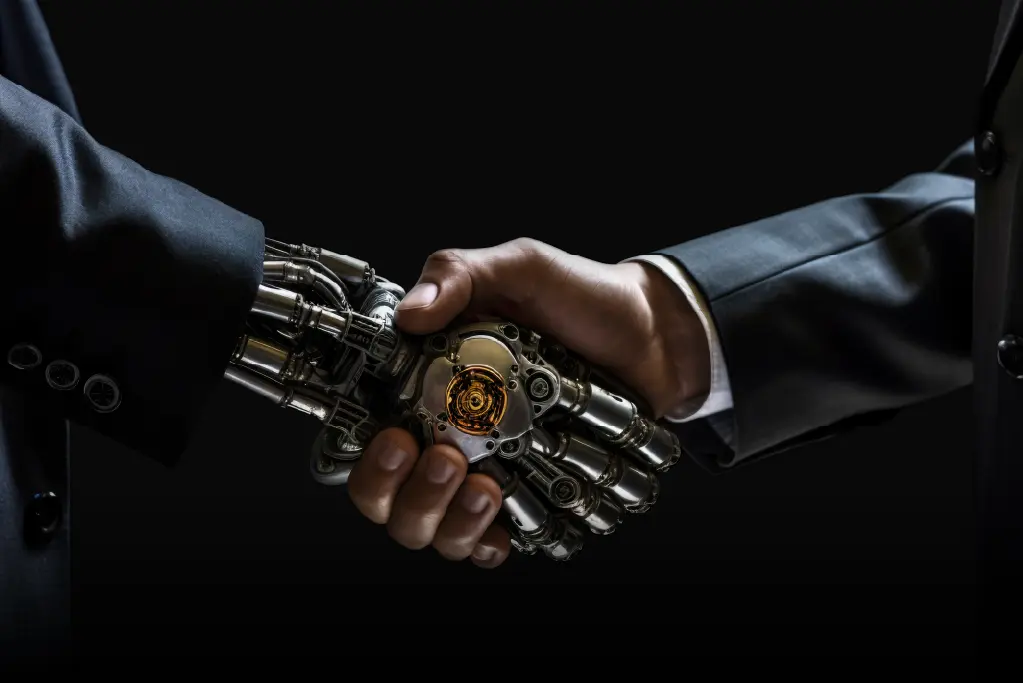
Artificial intelligence is entering the workplace as a support system rather than a replacement force. The strongest retention organizations use AI to remove boring operational work from human schedules.
Routine administrative tasks create hidden burnout over time. When employees spend too much energy on repetitive activities, their motivation declines even if salary and environment are good. AI can help by handling scheduling, documentation, and data processing work.
The performance of human beings depends on their ability to solve complicated problems through creativity and decision making and their capacity to understand and manage emotions. The study of contemporary human capital strategies demonstrates that organizations achieve superior results when they use workforce models based on human-centric AI rather than relying solely on technological solutions.
AI literacy is becoming a new retention advantage. Employees are more likely to stay where they are learning future-ready skills. When organizations invest in teaching workers how to use AI tools responsibly and productively, they send a strong signal. The signal is simple. Your future inside this company matters.
The goal is not automation domination. The goal is experience amplification. Technology should reduce friction while humans focus on meaningful work that creates value.
The Roadmap to a Stable Workforce
The future of employee retention is not about control. It is about alignment between human aspiration and organizational growth. Companies that win in 2026 will treat workforce strategy as a living system, not a static policy.
The Human plus Tech approach will shape successful organizations. Leaders must focus on skill growth, psychological safety, and intelligent automation working together.
For HR leaders, a 2026 retention checklist should include early flight risk detection, internal mobility pathways, personalized benefit design, manager quality monitoring, and continuous learning support. The five areas need to maintain their strength because it helps organizations achieve better workforce stability.
Because in the end, people stay where they feel they are growing, respected, and prepared for tomorrow.