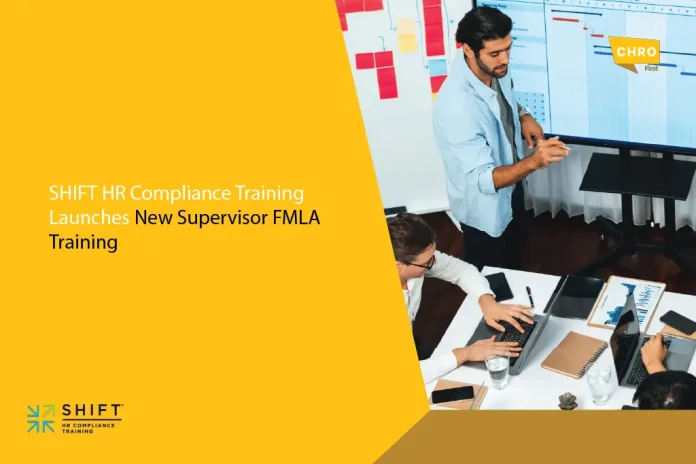
SHIFT HR Compliance Training recently introduced a new training course for supervisors that aims to enable managers to recognize possible scenarios under the Family and Medical Leave Act (FMLA) before they evolve into compliance issues or employee relation problems. This attorney-written training course, which is called “Understanding the Family and Medical Leave Act (FMLA) for Supervisors,” emphasizes proper decision-making, communication skills, and timely HR intervention.
While HR departments are usually responsible for the official FMLA process, it is likely that supervisors are the first ones who know about possible cases of FMLA through the conversations that employees have with them about upcoming medical procedures, taking care of their sick relatives, or having difficulty going to work due to certain health problems.
“The biggest FMLA mistakes rarely happen after HR receives a leave request,” said Katherin Nukk-Freeman, Co-Founder and President of SHIFT HR Compliance Training. “They happen much earlier, during everyday conversations when supervisors don’t realize legal obligations may be emerging. We built this course because supervisors need the judgment to recognize those moments, respond appropriately, and involve HR before small decisions become bigger problems.”
Also Read: Symmetry Launches MCP Server for Payroll Tax Engine to Power Agentic AI Platforms
In contrast to the conventional compliance training based on legal definitions and leave administration, the new course of SHIFT utilizes work-related scenarios for equipping managers with skills required in dealing with real-life situations. The course teaches trainees how to recognize the conversation that might suggest taking leave time and act without raising inappropriate questions.
The course also addresses how supervisors should approach attendance and performance discussions when a potential leave issue may exist. By helping managers recognize warning signs early, the program aims to reduce inconsistent decisions, employee relations disputes, and potential legal exposure.
“Compliance doesn’t begin when paperwork reaches HR,” said Nukk-Freeman. “It begins with the decisions supervisors make every day. When they recognize concerns early, respond thoughtfully, and know when to involve HR, organizations are better positioned to support employees, reduce risk, and create more consistent workplace practices.”
Developed and reviewed by employment law attorneys with experience defending employers in FMLA claims, the course emphasizes judgment rather than leave administration. SHIFT HR said the training reflects its broader approach to compliance education: equipping managers with the knowledge and confidence to make informed decisions during critical workplace interactions.

", a supervisor training course)