Why are employees still kind of struggling at work, even though organizations have never invested more in workplace technology? Like, it’s not really the tool count. It’s more that everything feels disjointed, or at least sewn together in a weird way. Employee experience platforms pull communication learning, performance, recognition, and well-being into one AI-powered workspace. And in practice that, somehow reduces friction and makes the day to day work smoother, like less resistance overall.
The business case is getting harder to shrug off. McKinsey found that a positive employee experience ties to 16 times higher engagement, and 8 times higher likelihood to stay. So this article looks at how these platforms are improving engagement, collaboration, productivity, and also what HR and IT leaders should check out before making the next investment.
The Core Engines Behind Modern Employee Experience Platforms
The biggest change in employee experience platforms is not AI itself. It is how AI connects everything that employees do during the workday. For years, HR teams depended on annual surveys to understand engagement. By the time the results arrived, the problems had already grown. Modern platforms work differently. They continuously analyze workplace signals such as employee feedback, collaboration patterns, communication trends, and natural language inputs to understand how people are actually experiencing work. That gives leaders a clearer picture while there is still time to act.
That kind of same intelligence also helps flag issues before they get all, well, expensive. Like a sudden rise in back-to-back meetings, less collaboration day to day, weirdly long or late hours, or just a noticeable drop in team interactions. Those signals can point to fatigue, burnout, or that general burnout feeling. Rather than waiting for performance to slide, employee experience platforms can suggest focus time, tweak workloads, bring up the right well-being resources, or even nudge managers to start those early conversations. The whole concept is straightforward. Take on the smaller problems first, before they turn into bigger ones.
Personalization is another place where these platforms are really shifting things. People don’t simply get the same updates, learning modules, or internal announcements anymore. Instead, AI sorts and filters the information based on who the employee is, what they’re working on right now, their skills, and their priorities, so workplace communication becomes a lot more relevant, and honestly more useful.
Still, technology alone does not improve employee experience. Microsoft’s Work Trend Index 2026 found that organizational factors account for more than twice the AI impact of individual factors. That is a reminder many organizations need today. Buying another AI tool will not fix a broken employee experience. Building the right workflows, culture, and connected employee experience platforms will.
Also Read: Global Payroll Management Challenges in 2026: Proven Solutions for Compliance, Accuracy, and Cross-Border Payroll
Transforming the Key Pillars of Workforce Experience
Employee experience platforms are starting to change how organizations look at the day to day stuff. Back then, engagement, learning, collaboration, and well-being were done in separate systems, with unrelated initiatives, more or less. Now, those pieces’ kind of merge, because employee experience gets formed by the whole work journey, not just a lone moment or one single interaction, even if it looks small at first.
Employee Engagement and Recognition
Recognition cannot wait for annual reviews anymore. Modern platforms help teams create regular feedback loops where employees can recognize peers, track goals, and share feedback in real time. These small interactions improve visibility and help employees understand how their work contributes to larger business goals.
Seamless Collaboration and Knowledge Discovery
One of the biggest workplace challenges is catching the right information quick, like, in the moment. Employees often end up losing time digging across different tools and platforms, you know? AI-powered knowledge graphs help to link employees to internal subject‑matter experts, relevant documents and even past project lessons. That improves the back and forth between teams, so collaboration happens faster, and a lot of the usual avoidable delays start to shrink.
Personalized Skilling and Career Mobility
Career growth is also shifting to be more employee- driven in a, kind of practical way. Rather than those generic training programs, the platforms can suggest learning paths using what someone already knows, the direction they want to take, and the future requirements. In this way employees can spot new possibilities sooner while organizations, end up strengthening the internal capability they need.
Holistic Well-Being and Work-Life Integration
Productivity really can’t get better if employees are stuck being overloaded all the time. An intelligent workplace platform can spot the patterns, like way too many meetings, that workload pressure, or even less focus happening day to day, then it proposes small adjustments. Those little nudges help people handle their time more carefully and keep more balanced work habits overall.
And the effects are showing already. Accenture’s 2026 Pulse of Change research says 81% of employees believe AI tools have boosted their productivity, while 71% mention higher job satisfaction once AI was rolled in. The real opportunity for organizations is not adding more technology. It is using employee experience platforms to remove workplace friction and create an environment where people can do their best work.
Evaluating and Choosing the Right EXP Architecture
Choosing an employee experience platform isn’t really about grabbing the one with the biggest feature list. The real, bigger question is more like, does it actually blend into how the organization already does things. A good EXP should connect in a pretty seamless way with the HR systems that are already there, like Workday and SAP SuccessFactors, plus it should also play nicely with productivity platforms such as Microsoft 365, and Google Workspace.
The market today broadly falls into three categories. Ecosystem native platforms like Microsoft Viva tend to bring employee experiences nearer to the everyday workplace tools people already use. Meanwhile, dedicated enterprise intranets and apps such as Unily or Staffbase often go heavy on communication, engagement, and getting a more connected digital workplace going. Then there are performance and feedback platforms, like Lattice and Workvivo, which usually emphasize recognition, constructive feedback, and keeping employees more in touch.
But integration is only a slice of the decision. Scalability matters too, maybe even more than people expect. A platform that’s built mainly for corporate employees can stall out, or simply not fit, once you try to extend it to frontline workers, desk less teams, or global organizations with very different needs.
Deloitte’s 2026 Global Human Capital Trends survey found that 7 in 10 business leaders are prioritizing being fast and flexible, over the next three years. This shift sort of explains why organizations are leaning toward flexible employee experience platforms, that can adapt as how work models keep changing. The right platform is not the one that solves today’s problems only. It is the one that can grow with the workforce.
Overcoming Implementation Pitfalls Around Ethics, Privacy, and Adoption
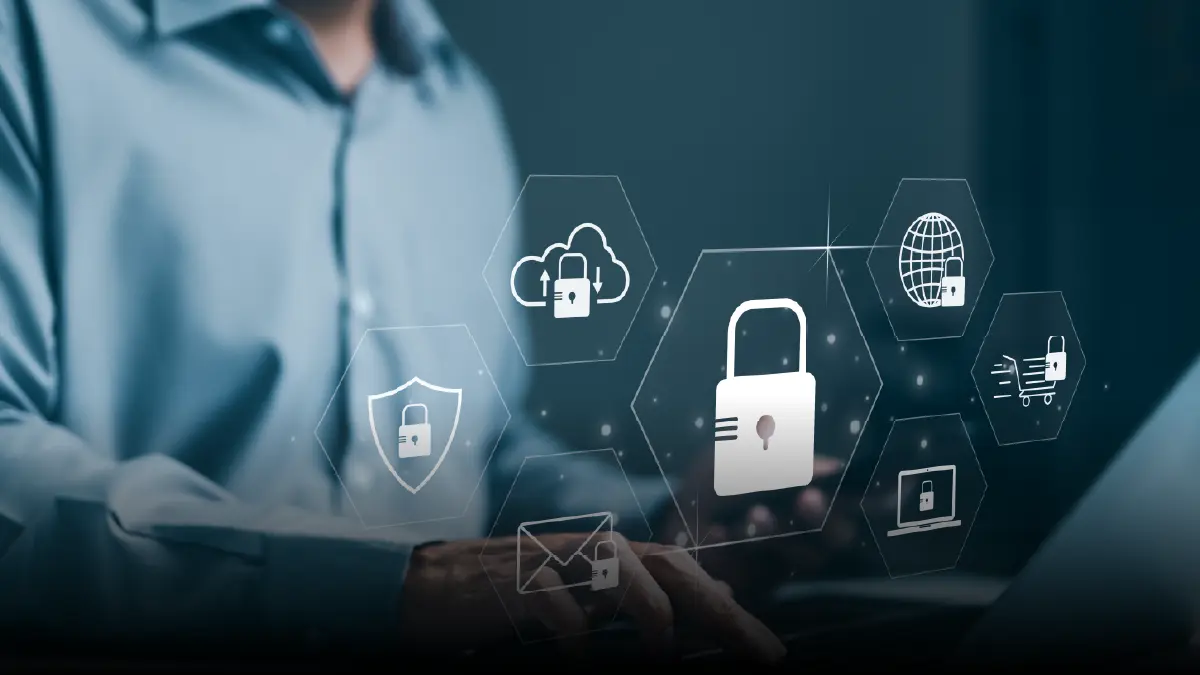
Building an employee experience platform is not just a technology decision. It is a trust decision. Organizations can now have access to more workplace data than ever, yet how that information is used responsibly is what will decide if employees feel these platforms are actually helpful, or if they feel kind of watched and too close for comfort.
Predictive analytics can spot patterns related to workload, engagement, and those workplace challenges that seem to keep repeating. Still, there’s a thin but real line between truly understanding employee needs and causing a sense of nonstop monitoring. So, clear rules around data usage, openness, and employee consent are really required, if you want trust to grow instead of shrinking.
Then there’s adoption, which is its own headache. Even the most advanced platform won’t work if employees treat it as yet another tool forced on them by IT, without any real buy in. A good rollout needs straightforward messaging, good training, and active participation from employees plus managers during the whole thing, not just at the end.
IBM also called out this mismatch in its 2026 research. According to that study, 81% of executives say employees are rewarded for building AI skills, but only 43% of employees report that their employer provides AI training. That gap is basically a reminder that companies should focus on enablement, not only on deployment, because technology alone won’t carry the day.
Conclusion and Strategic Takeaways

In 2026, employee experience platforms are sort of drifting away from being just internal communication tools. They start to look more like strategic systems that tie people together, plus knowledge, skills, and those everyday workplace processes, in one flow. That said, technology by itself won’t really fix employee experience. The companies that actually pull this off are usually the ones that mix AI capabilities with trust, careful rollout, and solid governance.
For HR and IT leaders who are weighing an upgrade, the route is mostly straightforward. First, pin down where employees hit the most friction, the places they stall or repeat things. Second, pick a platform that connects cleanly with existing systems and can grow as work models keep shifting. Third, make adoption about people, not only about the tech stack. In the end, the future of work will lean toward organizations that use AI to support employees and assist with decisions, rather than companies that just try to automate them.